
Build your technical teams
Practical technical training, workforce development and engineering support that help organisations improve capability, safety and performance.

From skills to workforce to execution

Skills Assessment & Certification
Identify capability gaps and define role-relevant learning and assessment.
Corporate Technical Training
Build practical skills around your equipment, processes, standards and projects.
Workforce Deployment & Outsourcing
Access technical people for defined roles, scopes and delivery needs.
Contracting & Execution
Support engineering work packages with technical coordination and execution capability.

Engineering Expertise. Industrial Reach. Proven Capability.
Connecting industrial organisations with specialised technical training, engineering expertise and workforce development across a broad range of industries, technologies and professional disciplines.
Industries Served
A broad engineering and industrial landscape spanning 38+ industry categories, connecting organisations with relevant technical knowledge, specialised training and industry-focused capabilities.
Technical Skills & Competencies
An extensive technical skills landscape covering engineering disciplines, industrial equipment, operating systems, processes, tools, standards and job-specific competencies.
Expert Faculty & Technical Specialists
A technical expertise network spanning engineering disciplines and industrial domains, supporting specialised instruction, practical knowledge transfer and workforce capability development.
Training Assignments
Industry-oriented training assignments focused on practical technical competence, equipment and process knowledge, workplace requirements and role-specific skill development.
Training, technical people and execution support—aligned to your work.
Choose a focused service or combine capability assessment, technical training, workforce support and project execution around your operational requirements.



Skills Assessment & Certification
Understand current capability, define role-based requirements and assess whether teams can apply the required technical standards.
Built for the technical realities of industrial business.
Pertecnica works with engineering, manufacturing and asset-intensive organizations where competent people, reliable workforce and disciplined execution directly affect performance.
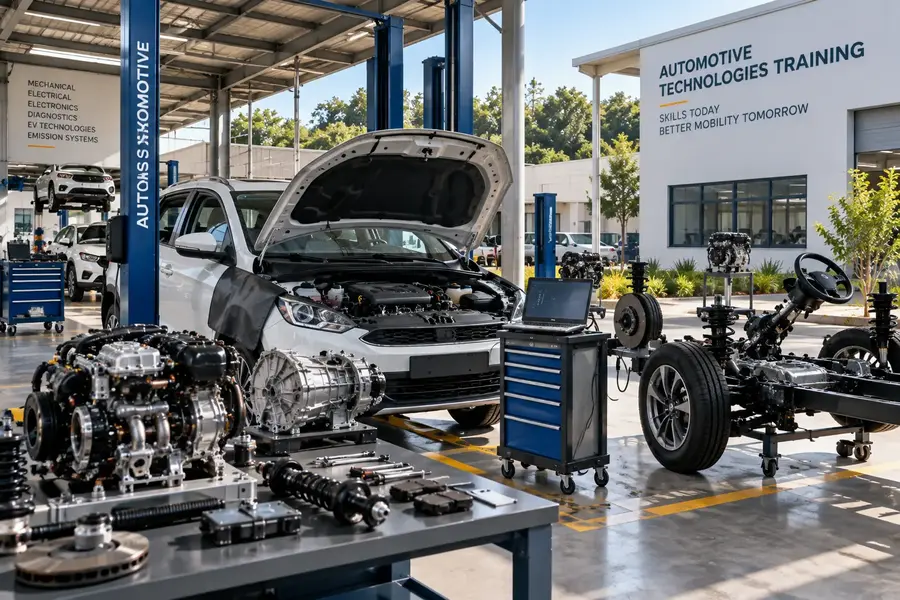
Automobile Technologies

Biotechnology

Bridges

Building Construction Materials

Cement Plant Technologies

Chemical Plants
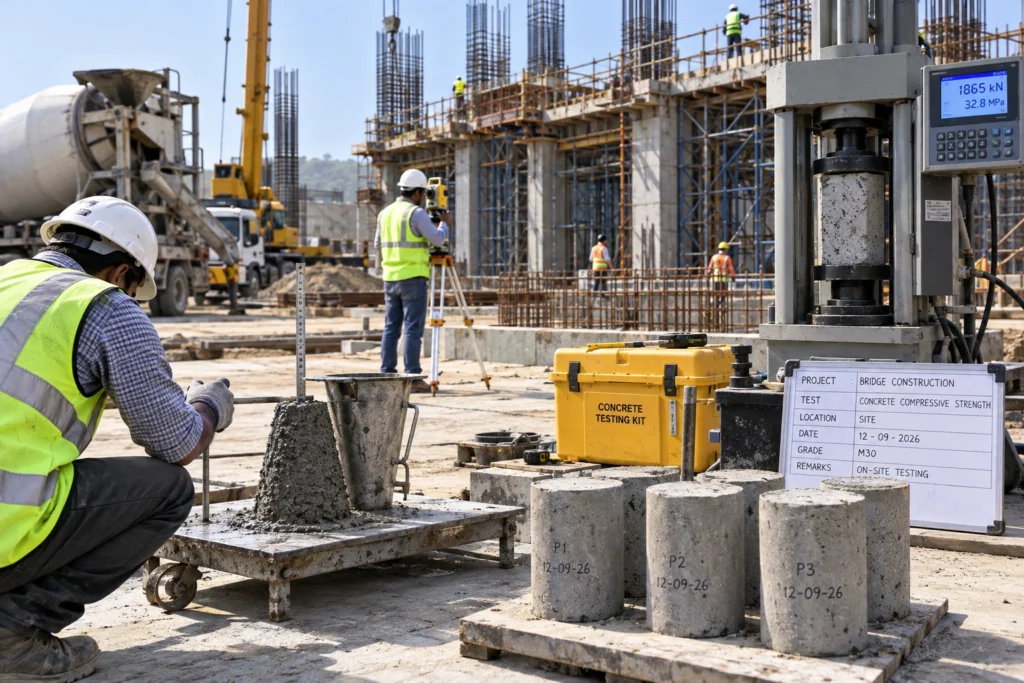
Construction
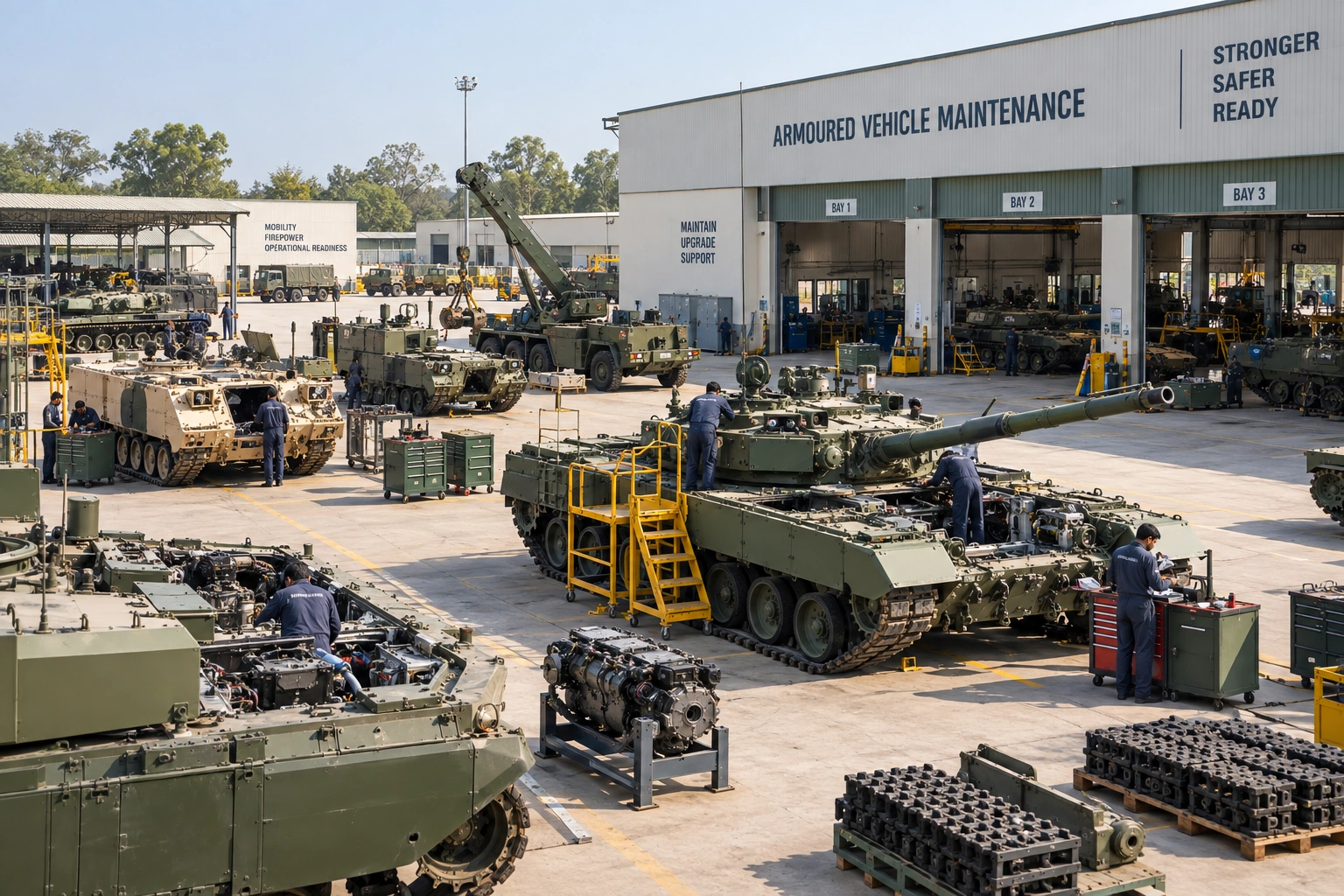
Defence Industry

E Commerce

Electronics Industry

Farming Business

Food Processing

Healthcare
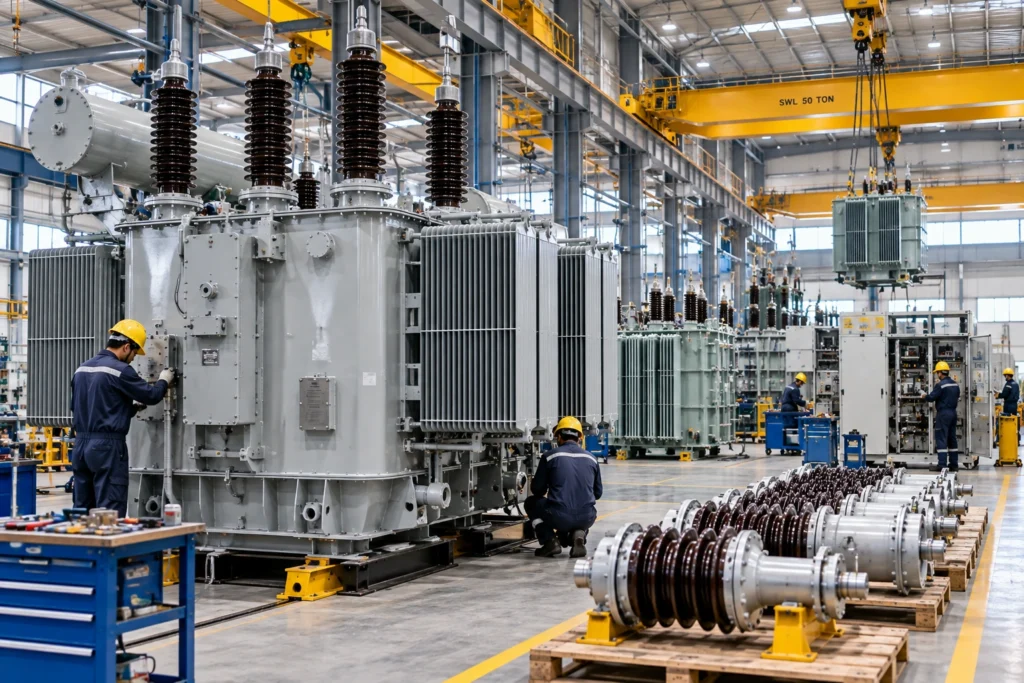
Heavy Electricals

Industrial Engineering

Instrumentation & Control

Insurance and Banking

International Business

Irrigation and Water Sector

Logistics

Machinery Industry
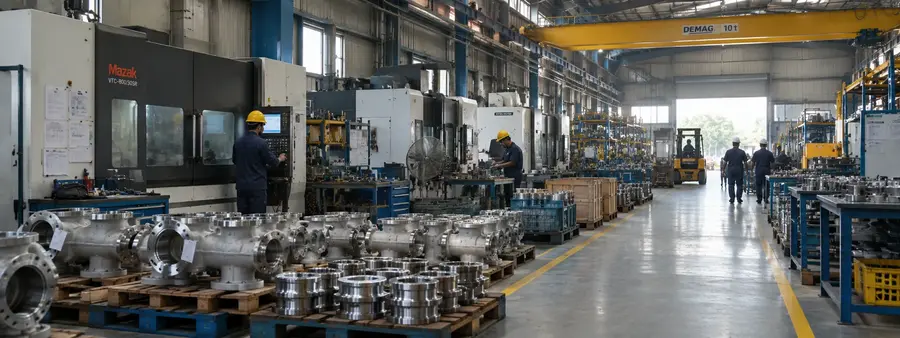
Manufacturing

Maritime Business

Metal Extraction Industry

Mining Industry

OIl and Gas

Packaging Industry

Petrochemical Industry

Pharma Sector

Plastic Industry

Powerplant Training

Railways






Turn business requirements into practical engineering capability.
A flexible pathway for organisations that want to identify skill gaps, develop technical teams and apply learning to real work.
Assess capability needs
Define the roles, tasks, standards and performance requirements that matter to your organisation.
Training should solve a work problem—not just fill a calendar
The programme should be planned around observable learning outcomes and the operational priorities your organisation identifies. We do not promise unsupported percentage improvements or guaranteed business results.
Clearer competency requirements
Translate broad training requests into defined roles, skills, learning outcomes and assessment criteria.
More relevant technical learning
Focus time on the equipment, processes, tools, standards and tasks that matter to the work.
Evidence of learning
Use agreed knowledge checks, practical tasks, assessments or work products to understand what participants can demonstrate.
Better follow-through after training
Identify next steps such as supervised practice, refresher learning, additional assessment or manager review.
Expert Faculty
Engineering professionals bringing practical industry experience into Pertecnica training.
Srinivasa Rao Nimmagadda
Water Treatment Plant ExpertEffluent treatment plant operation Sewage treatment plants Zero liquid discharge systems Biogas and bio-methanation Water treatment plants Pollution control board liaison Environmental laboratory analysis…
Venkata Ramana Kandukuri
Senior Piping EngineerLubrication and oil systems Piping design Static and rotary equipment P&IDs and datasheets Technical bid evaluation Installation and commissioning Vendor coordination API and ASME…
This is just a selection of our clientele
Our expertise spans diverse industries and sectors, trusted by hundreds of clients worldwide. We deliver high-impact corporate training and consulting services tailored to drive sustainable organizational growth.







Planning corporate training with Pertecnica
A practical starting point for organisations evaluating a technical training or capability-development programme. Final arrangements are confirmed after discussing the requirement.
Can training be customised to our industry and equipment?
Yes. Share the target roles, equipment or systems, work processes, standards and intended outcomes. The programme scope can then be discussed and tailored where appropriate.
Can you train employees at our site?
On-site delivery can be considered subject to location, access, equipment availability, safety requirements, trainer availability and the agreed programme.
Do you conduct skill-gap assessments before training?
A programme may begin with a training-needs discussion, role/competency mapping or an agreed assessment method. The appropriate approach depends on the role and scope.
Can we request training for a small team or multiple departments?
The audience and group size can be discussed. The proposed format, schedule and commercial scope will depend on the topic, location and practical requirements.
Do you provide certificates?
Certificates or certification preparation may be available where applicable. The type of certificate, assessment criteria, issuing body and recognition must be confirmed for the specific programme.
How do we request a proposal?
Share your industry, participant roles, topic or equipment, approximate group size, location, preferred dates and expected outcome. Pertecnica can use these details to discuss a suitable scope.
Do you support more than training?
Pertecnica.net also presents skills assessment and certification support, technical workforce deployment and outsourcing, and contracting or engineering execution support. Each service is scoped separately.
How do you measure training effectiveness?
Evaluation can include knowledge checks, practical tasks, participant feedback and agreed follow-up actions. Measures should be chosen before delivery and matched to the training objectives.
Discuss Your Training Requirements
Tell us about your workforce, training, certification or engineering execution requirement. We will help you identify a suitable scope and next step.